Mont Tremblant Day Trip From Montreal
Visitor Guide

Is Mont Tremblant Worth Visiting

Two places share the Mont-Tremblant name: a pedestrian resort village, and a vast national park on the Laurentian plateau north of it. This page separates them, then answers the worth-it question with figures rather than adjectives. Expect the real trade-offs — what the day costs, what it demands, and who tends to leave disappointed.

9 min read Updated 2026-09-24 Fact-checked
Is Mont Tremblant Worth Visiting

Quick answer

Yes, for most visitors: a 10.3 CAD conservation fee per adult per day covers roughly 1,500 square kilometres of Laurentian lakes, waterfalls and trails, with gates opening at 09:30 daily. The caveat is capacity — the Diable sector fills on warm weekends, and arriving between 09:30 and 11:00 is what separates a good day from a parking hunt.

Parc national du Mont-Tremblant was protected in 1895, which makes it the oldest national park in Québec and older than most of the roads that now reach it. That longevity explains its shape: roughly 1,500 square kilometres of Laurentian plateau, some 400 lakes and streams, and six rivers, all managed today by Sépaq rather than by the ski resort that shares the name. Anyone asking is mont tremblant worth visiting is usually weighing two different places at once — a pedestrian resort village, and a wilderness reserve half an hour north of it. The park itself divides into sectors, and that distinction matters more than any single trail name. The Diable sector, entered from Lac-Supérieur, holds Lac Monroe, the Rivière du Diable and the two lookouts most day visitors come for, La Roche and La Corniche. The Pimbina sector, further east, is quieter and carries the Chute aux Rats, a stepped waterfall that photographs well in low autumn light. Between them run mixed boreal and hardwood forest, resident moose, black bear and loons, and a canoe route down the Diable that operators shuttle through the warm months. A visitor who books a Parc national du Mont-Tremblant tour from Montréal will usually be taken to the first of these. The honest qualification is access. Entry is day-use and capacity-controlled, which means the reserve can restrict new arrivals once parking fills, and it does so on warm Saturdays and through the foliage weeks of late September and early October. Nothing about this landscape rewards a late start. Visitors who treat the drive as the first hour of the day, rather than a detour after brunch in the village, consistently report the better experience. Those who arrive expecting cafés, lifts and shops have generally come to the wrong Mont-Tremblant — the village handles that side, and the park does not pretend to. So the practical answer to is mont tremblant worth visiting depends less on the destination than on the plan attached to it. Readers weighing a Laurentians day trip will find the timing, the conservation fee, road access from Highway 117 and the trail choices set out in the sections below, each built around a single day pass rather than a bundle. Judged as a half-day stop between other errands, the park underdelivers. Judged as the whole day, with an early gate time and one sector chosen deliberately, it holds up against anything else within two hours of Montréal.

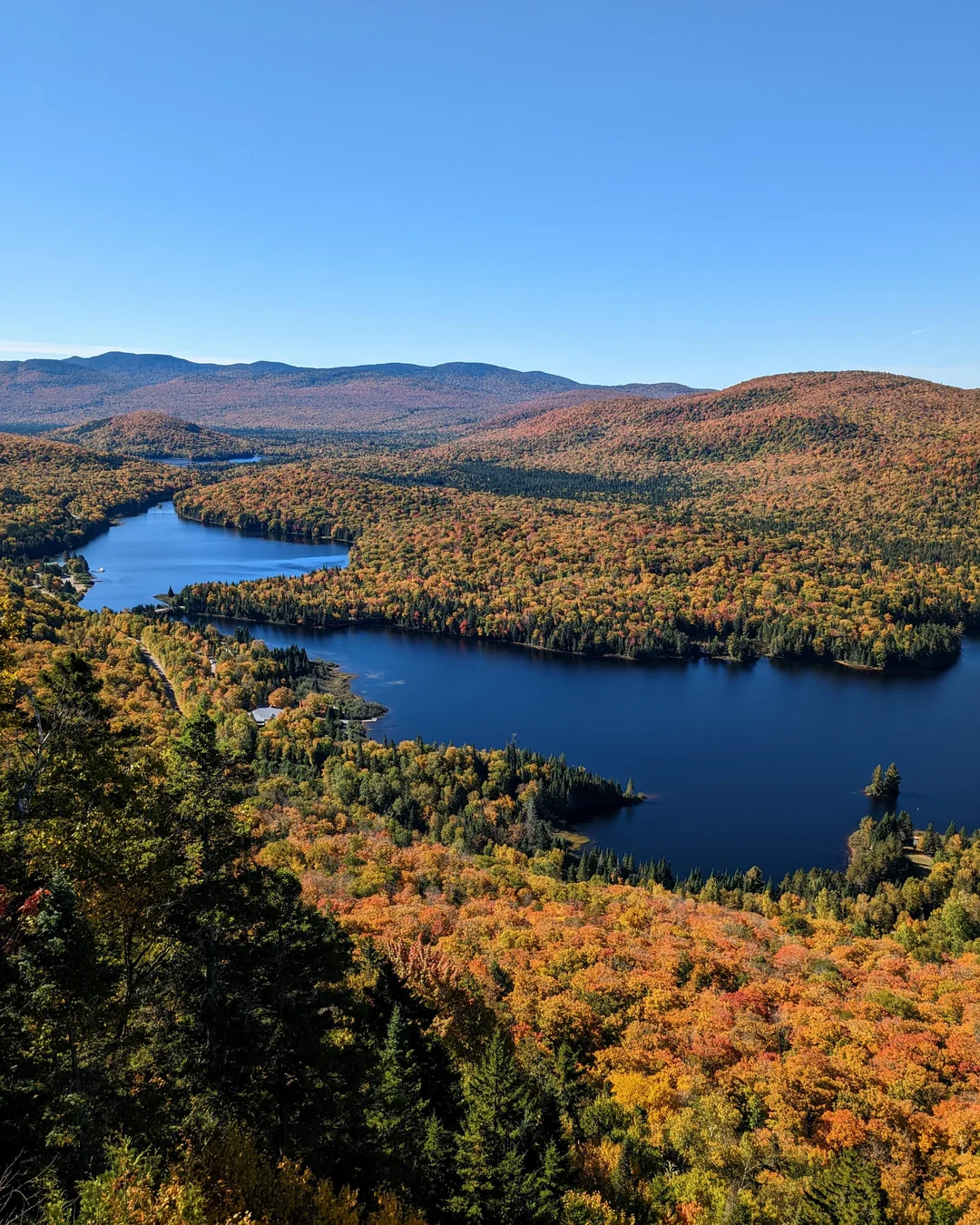
“The village has cafés and lifts; the reserve has four hundred lakes and a gate that closes when the parking does.”
Timing

When Is Mont Tremblant Worth Visiting?

The optimal time to visit Mont-Tremblant National Park is during the shoulder seasons of September to October or late May to June, when temperatures are moderate and trail traffic is lower. To ensure access, follow the best arrival window: 09:30–11:00, which helps secure parking and avoids capacity-based entry restrictions.

Weekday mornings

Minimal

—

Arrive between 09:30 and 11:00 to avoid parking constraints and secure entry before daily capacity limits are reached.

September – October

Moderate

Cool, 10°C to 18°C

This period features lower humidity and changing foliage, providing clear visibility for hiking and photography.

Late May – June

Moderate

Mild, 12°C to 20°C

Spring brings active wildlife and flowing waterways, though visitors should prepare for black fly season in wooded areas.

July – August

High

Warm, 18°C to 26°C

These months see the highest visitor density, necessitating early arrival to guarantee parking and manage park capacity.

Verdict: For the most consistent experience, plan your visit for a weekday between September and October, arriving between 09:30 and 11:00.

Prices

Is Mont Tremblant Worth Visiting Regarding Costs?

Access to Mont-Tremblant National Park requires a daily conservation fee for visitors. This fee supports the maintenance and preservation of the park's natural landscape.

Adult Conservation fee per day
10.3 CAD
Children under 18 Free entry for youth
0.0 CAD
Children 17 years old and under are admitted to the park free of charge.

Verdict: A typical adult pays 10.3 CAD for daily access, with the cost remaining consistent regardless of the season.

Opening hours

Is Mont Tremblant Worth Visiting During Daily Hours?

Mont-Tremblant National Park remains open daily to accommodate visitors throughout the week. The park extends its operational hours on Friday evenings.

Monday
09:30–19:30
Tuesday
09:30–19:30
Wednesday
09:30–19:30
Thursday
09:30–19:30
Friday
09:30–20:00
Saturday
09:30–19:30
Sunday
09:30–19:30
Visitors should plan their activities to conclude by the designated closing times listed above.
Directions

Is Mont Tremblant Worth Visiting Given the Travel Requirements?

Mont-Tremblant National Park is situated in the Laurentian Mountains, approximately 130 kilometers north of Montreal. The most practical approach for visitors traveling from Montreal is via private vehicle.

Car 1 hour 45 min —

Autoroute 15 North to Route 117 North, then follow local signs to 3824 Chemin du Lac-Supérieur

Bus 2 hours 30 min —

Autobus Galland from Gare d'autocars de Montréal to Mont-Tremblant

Taxi 1 hour 45 min —

Private transfer service from Montreal directly to 3824 Chemin du Lac-Supérieur

Plan to arrive between 09:30–11:00 to secure parking and avoid potential capacity-based entry restrictions. Navigating directly to 3824 Chemin du Lac-Supérieur provides the most direct access to park facilities.

What to see

What Makes Mont Tremblant Worth Visiting?

Mont-Tremblant National Park features an extensive network of protected wilderness characterized by diverse topography and glacial landscapes. Visitors can explore various sectors that highlight the regional ecology and recreational opportunities within the Laurentian Mountains.

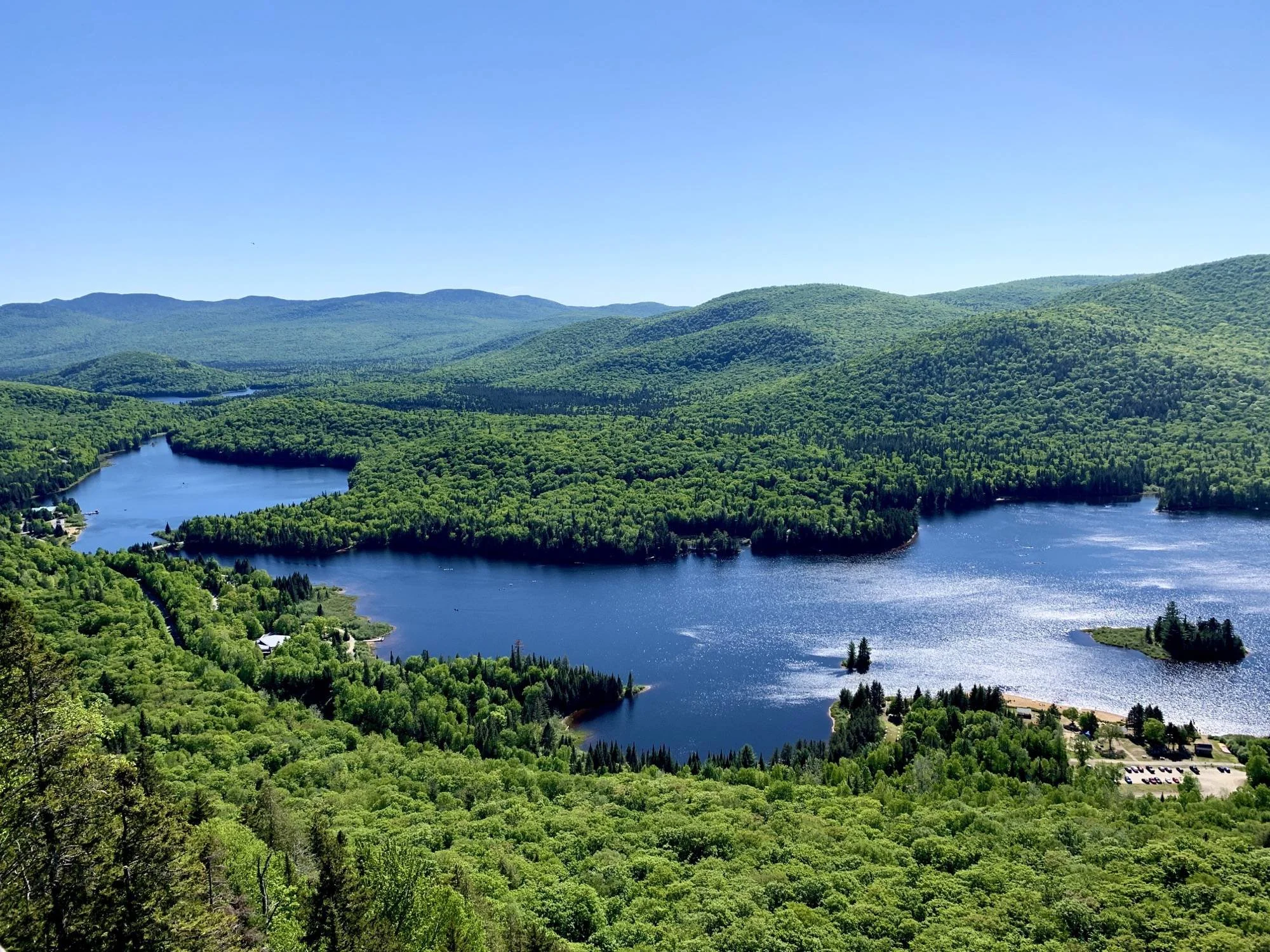
Lac Monroe

Lac Monroe

This central lake serves as the primary hub for water-based activities such as canoeing, kayaking, and paddleboarding. The surrounding landscape provides views of the park's characteristic forested hills.

Rent equipment early to secure calm water conditions before midday winds arrive.

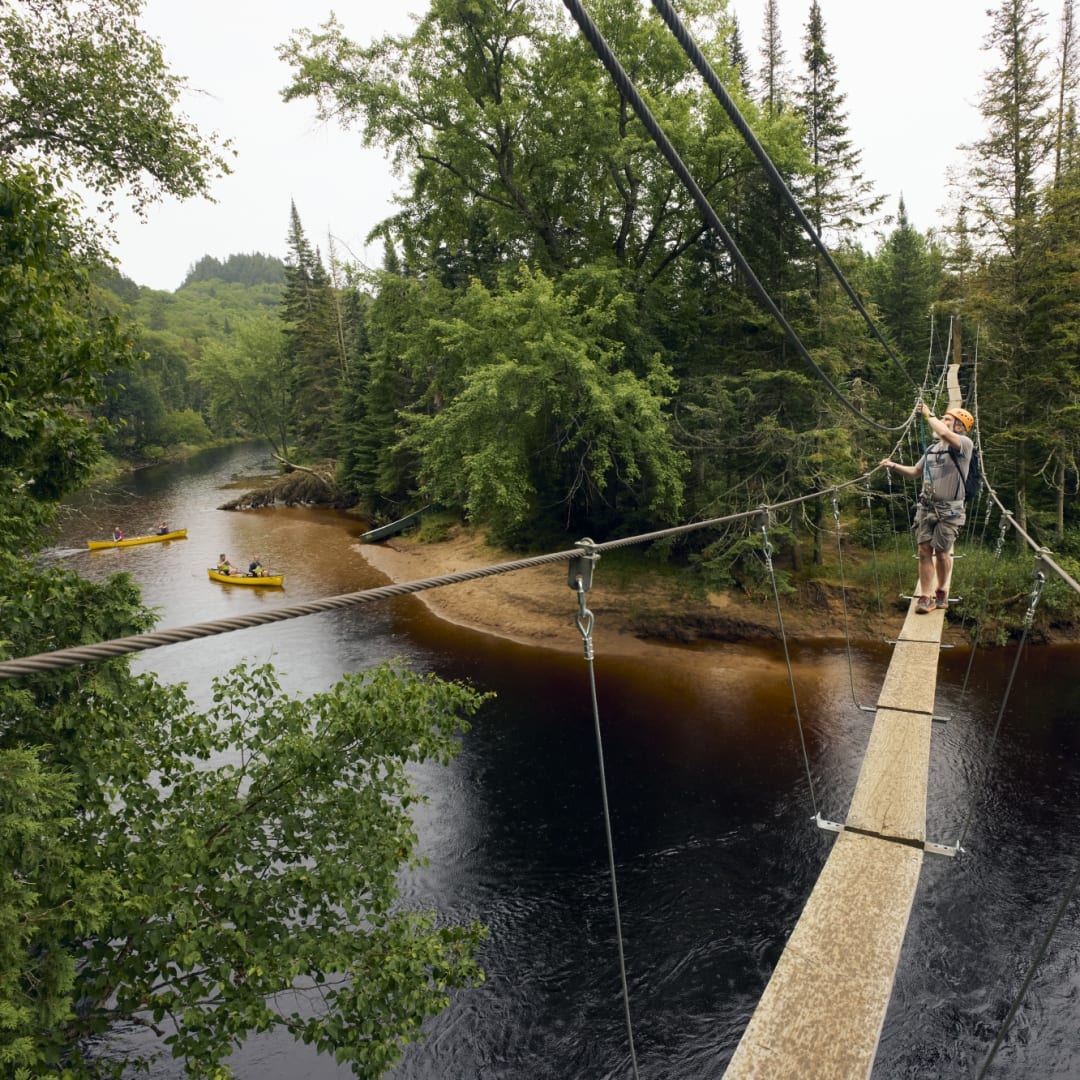
La Diable River

La Diable River

Running through the heart of the park, this waterway offers various points for fishing and river trekking. It acts as a natural corridor for observing local riparian wildlife.

Walk the riverbanks during dawn to spot moose and waterfowl activity.

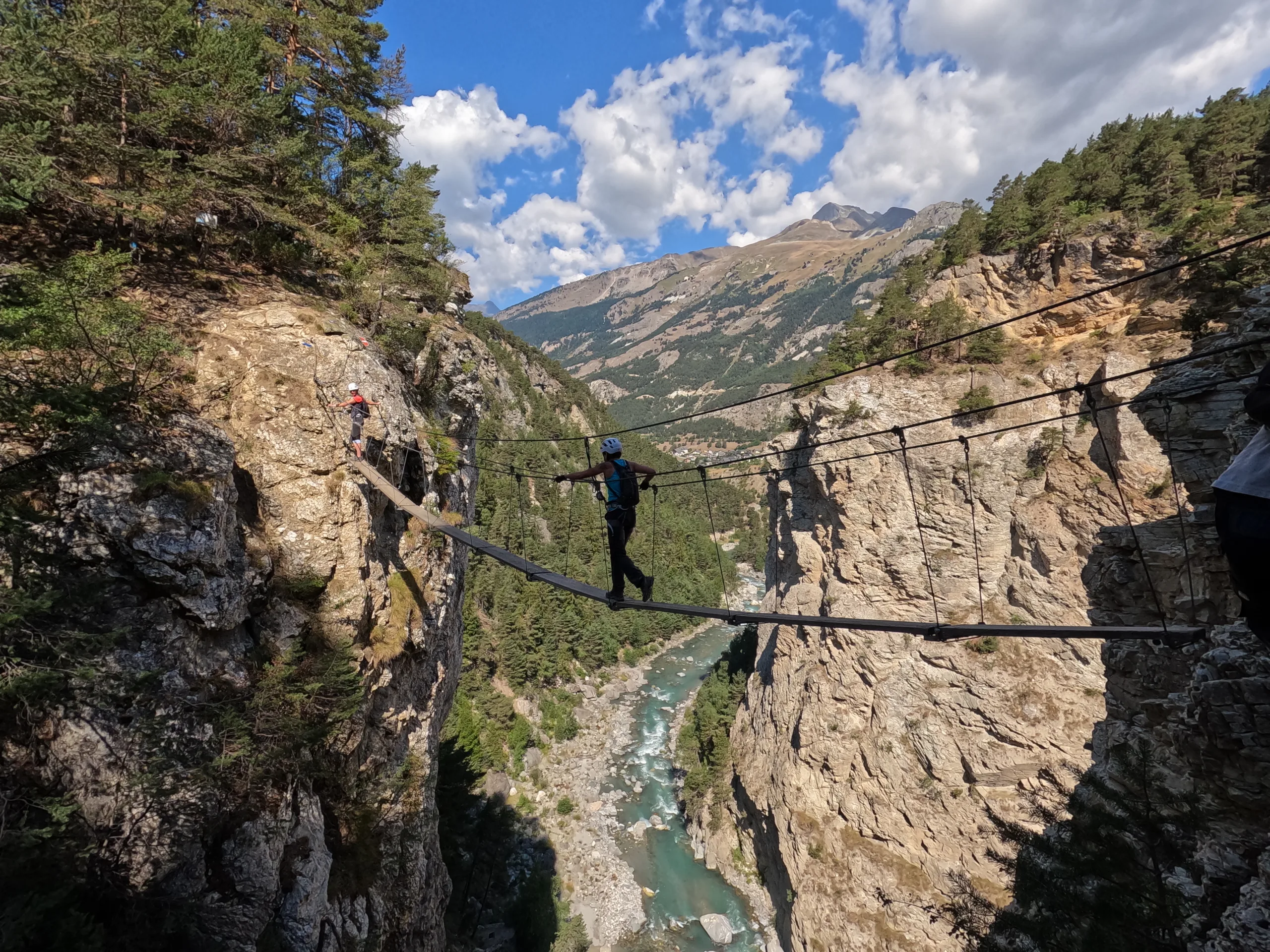
Via Ferrata du Diable

Via Ferrata du Diable

This climbing route is fixed along the Vache Noire rock face, providing elevated perspectives of the Diable River valley. It allows visitors to traverse cliffside paths using iron rungs and cables.

Book sessions mid-week to avoid peak trail congestion and enjoy quieter climbs.

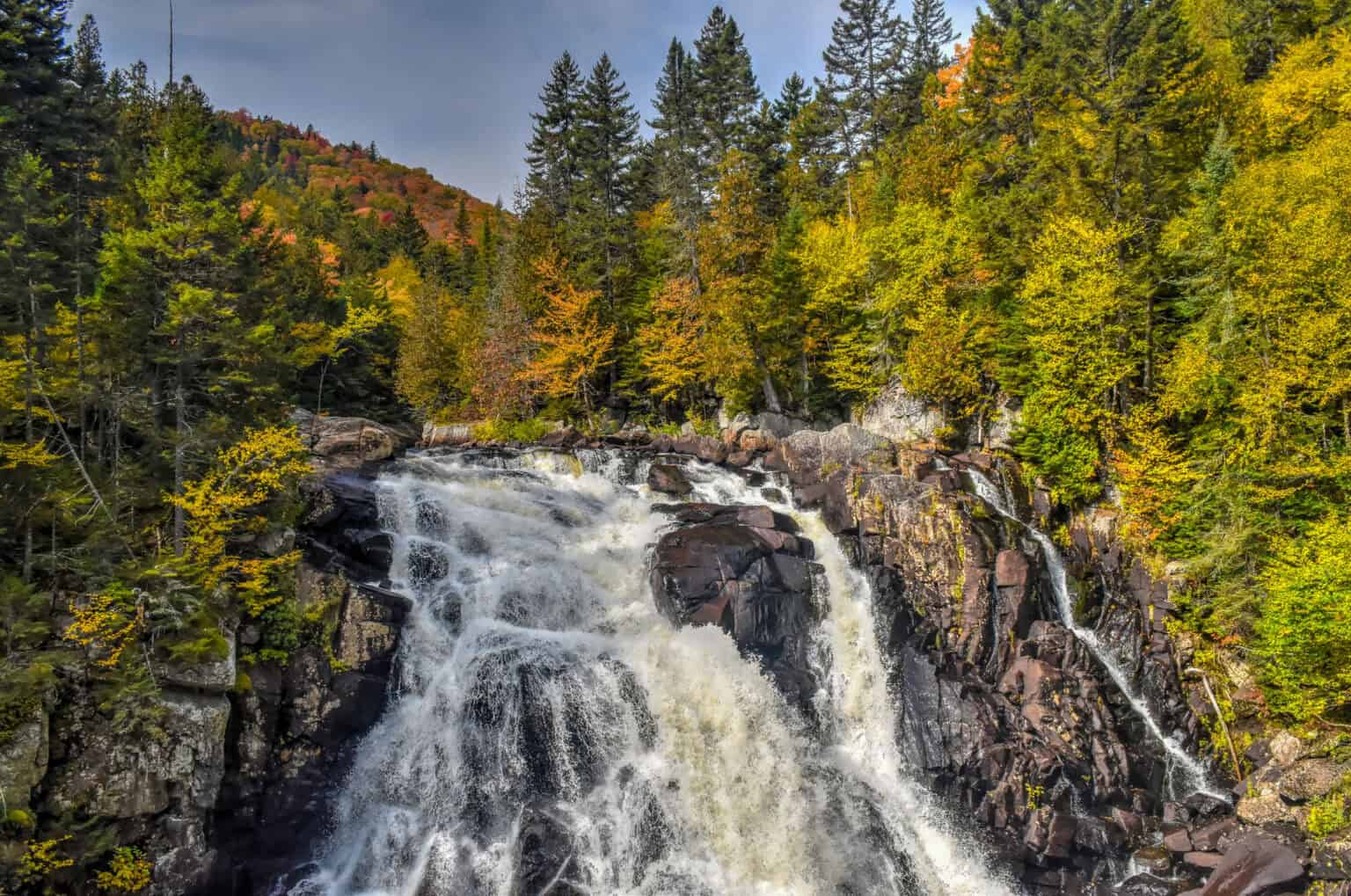
La Chute-du-Diable

La Chute-du-Diable

Located along the park's trail network, this waterfall is a geological feature formed by the movement of the Diable River. The area provides a concentrated point of interest for hikers.

Visit during the spring thaw for the most significant water volume.

Checklist

Essential Prep for: Is Mont Tremblant Worth Visiting?

A few bookings and gear decisions made in advance keep a Mont-Tremblant National Park day running smoothly from the Lac-Supérieur entrance.

Book

Check availability

Frequently asked

Frequently Asked Questions: Is Mont-Tremblant Worth Visiting?

Everything you need to know about is mont tremblant worth visiting

Is mont tremblant worth visiting for nature lovers?

Mont-Tremblant National Park offers extensive wilderness, including hiking trails, lakes, and diverse flora, making it a premier destination for outdoor enthusiasts. Many travelers find that the park's natural landscapes confirm that the answer to is mont tremblant worth visiting is a clear yes.

What is the best time to arrive at Mont-Tremblant National Park?

To ensure parking availability and avoid entry restrictions, visitors should arrive between 09:30 and 11:00. Arriving within this window helps you secure a spot during peak periods and contributes to a better experience when deciding is mont tremblant worth visiting.

Is there an entry fee to access the park?

Yes, there is a conservation fee of 10.3 CAD per adult per day required for park access. This fee supports the maintenance of the trails and facilities that make the area a landmark worth visiting.

How does one determine if the Parc national du Mont-Tremblant is worth visiting?

Evaluating if the park is worth your time depends on your interest in activities like canoeing, wildlife observation, and photography. Because the park provides a respite from urban environments, it is often cited as a top-tier Quebec natural landmark.

Are there specific hours I should be aware of?

The park operates from 09:30 to 19:30 Monday through Thursday and Sunday, with extended hours until 20:00 on Fridays. Checking these times helps you plan your day effectively so you can decide if the park is worth visiting based on your schedule.

Is the park suitable for a day trip from Montreal?

The park is a popular choice for a day trip from Montreal due to its accessibility and proximity. Travelers often weigh the travel time against the outdoor opportunities to determine is mont tremblant worth visiting.

What should I bring to ensure a smooth visit?

Visitors should prepare by packing essentials like water, snacks, appropriate footwear for hiking, and sunscreen. Being well-equipped allows you to focus on the terrain and scenery rather than logistics during your visit.

Keep reading

More guides & pages